Friday 13 of February of 2026
Vertical Tank Calibration for Refrigerated LPG Storage. Important Technical Considerations
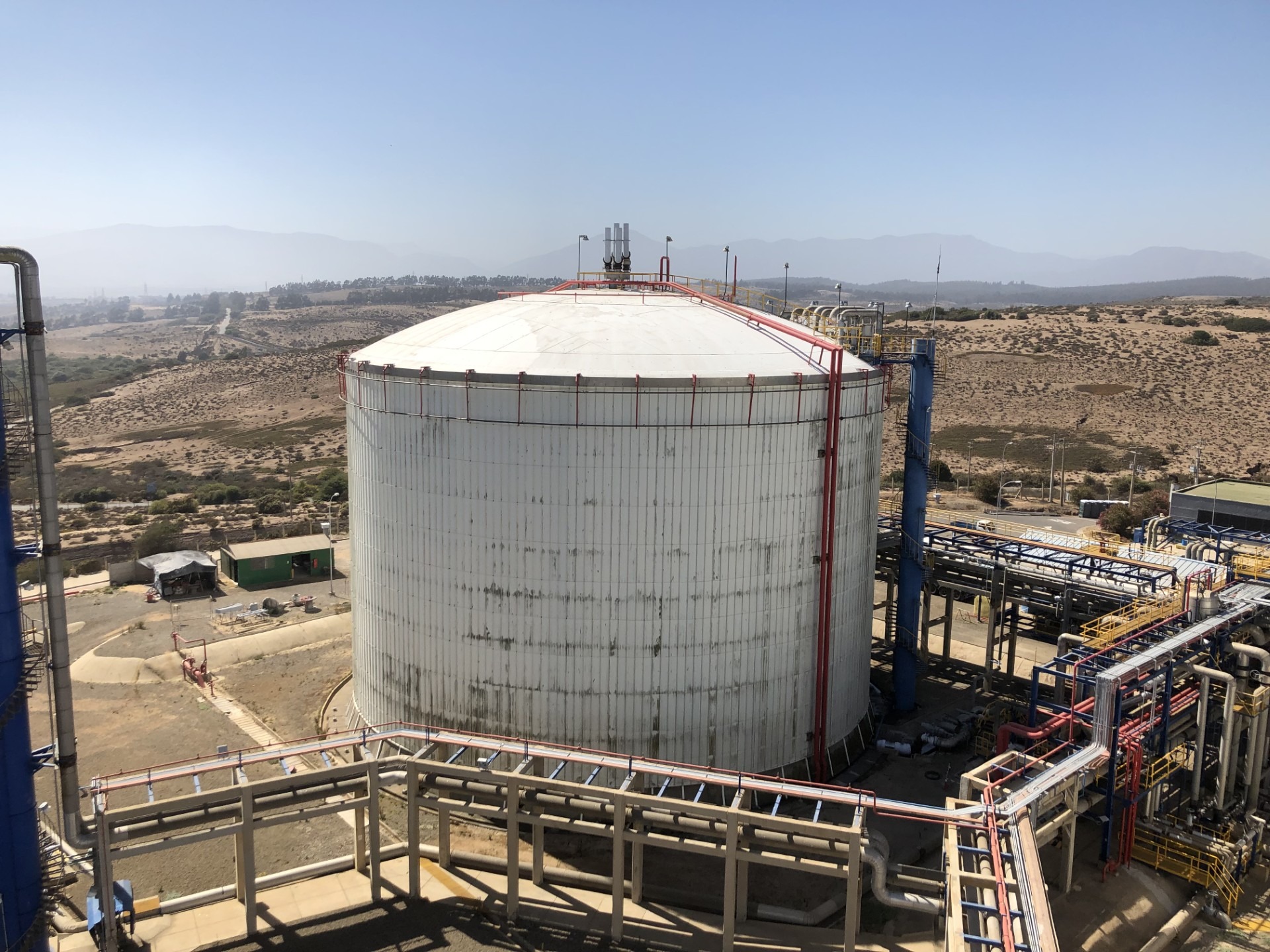
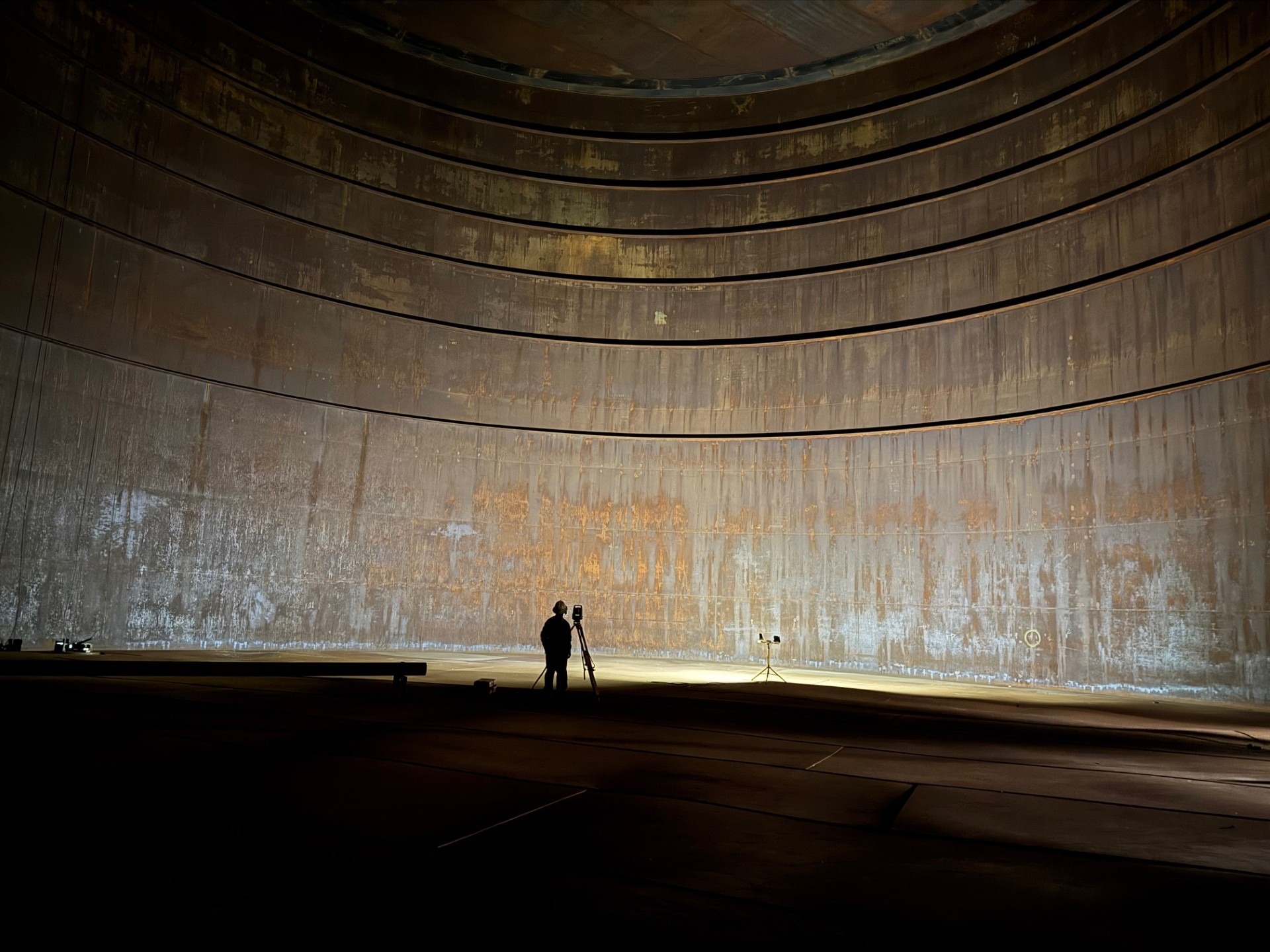
Recently, we calibrated another Vertical Cylindrical Tank for the storage of Refrigerated LPG (in this case, Propane, which is stored at a temperature of approximately -43 °C in its liquid phase).
This tank has the following characteristics:
- 23 m height in its cylindrical section
- 35 m diameter
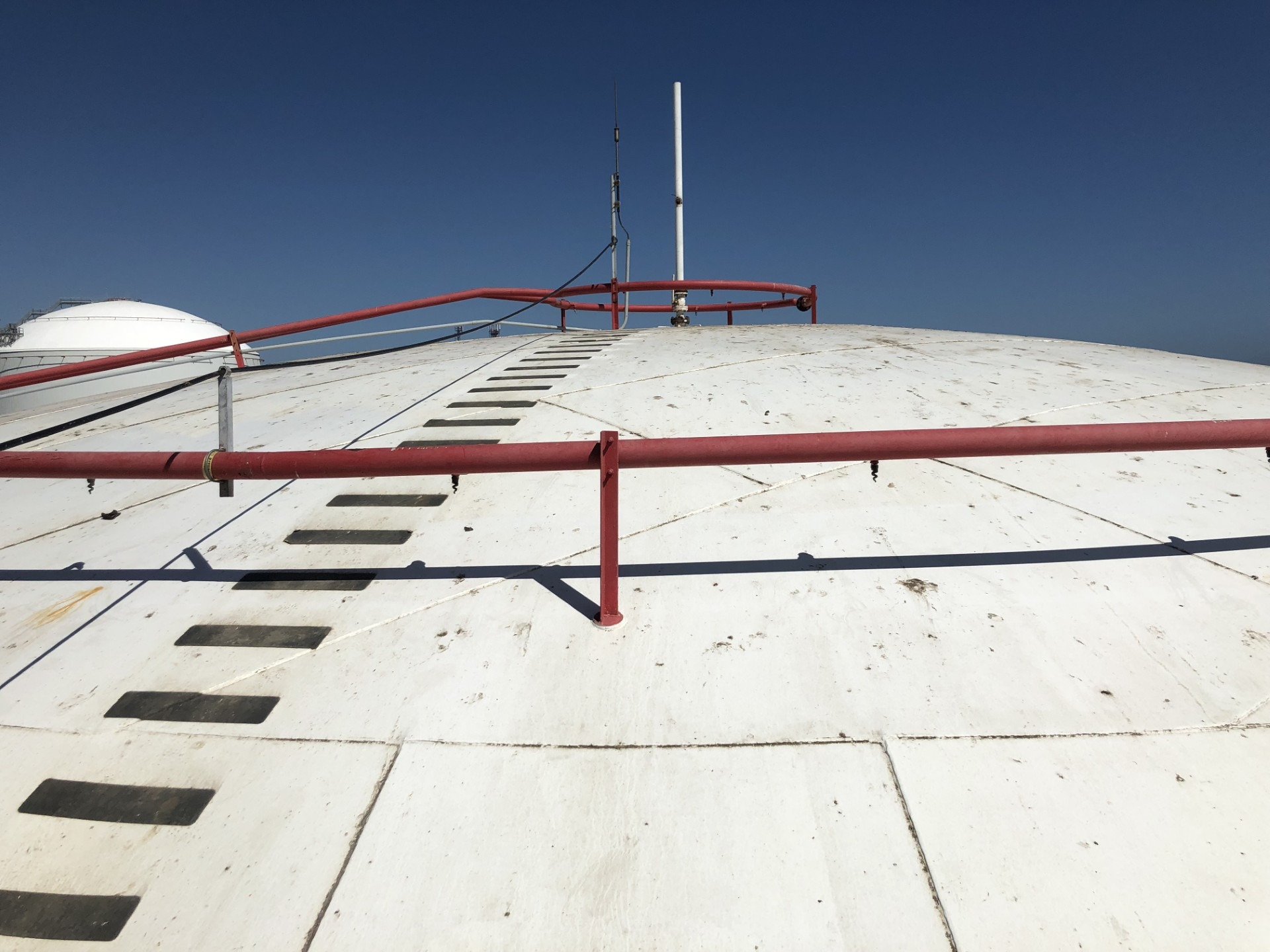
- Dome-type roof with 4,680 mm height at its central point
Particular aspects of this type of tanks:
This type of storage presents constructive and operational conditions that require detailed volumetric analysis:
- The cylindrical section has an internal cover (Deck) located 500–600 mm below the top of the cylinder.
- Above the Deck there is a layer of thermal insulation (glass wool), 300 mm thick in this case.
- Above the cylindrical section, the upper dome develops, which geometrically corresponds to a spherical cap whose base diameter matches the internal diameter of the cylinder.
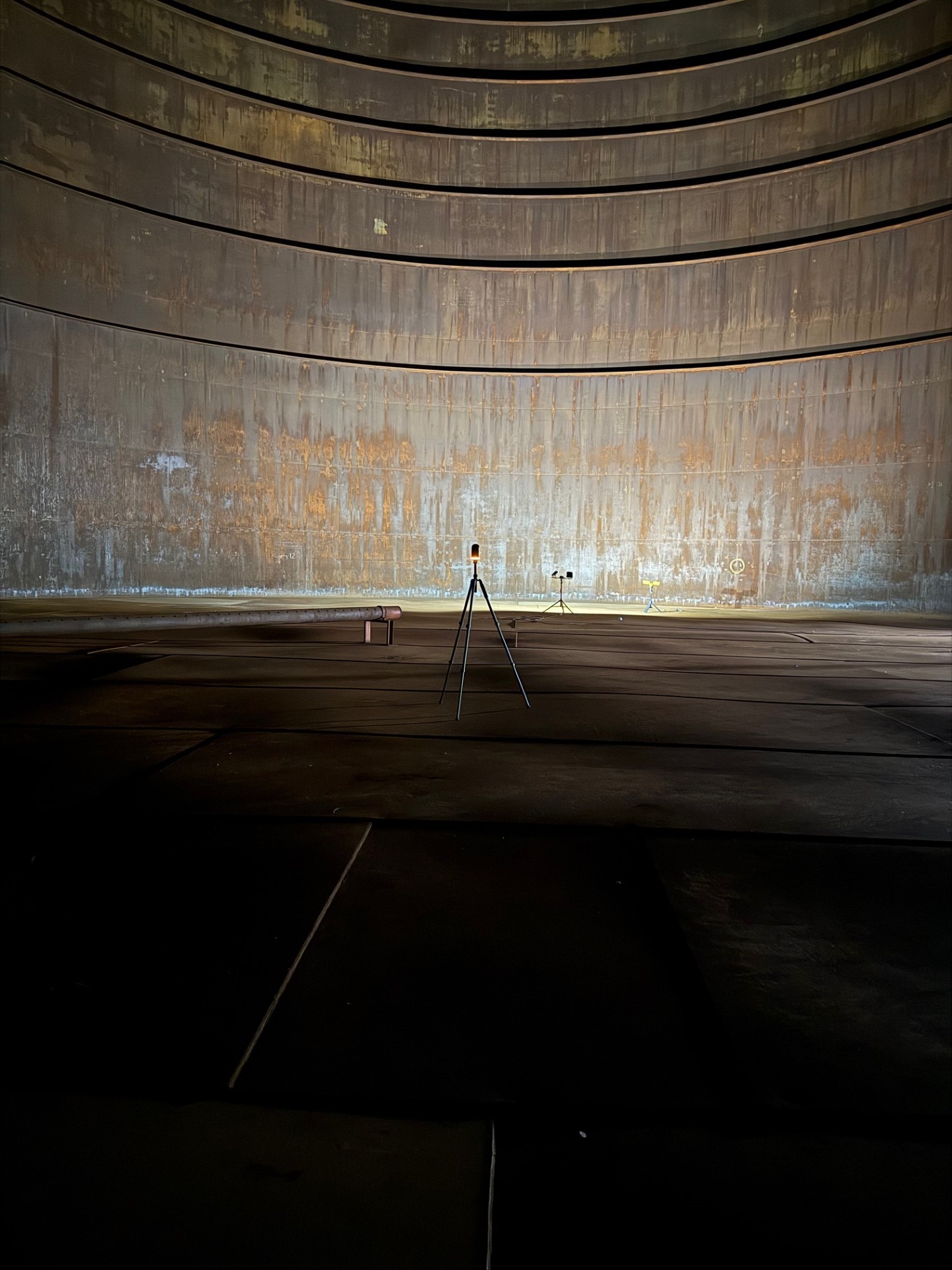
The calibration of this type of tank involves determining its total (useful) capacity, considering the following components:
- The cylindrical section, up to the cover or Deck level
- The section corresponding to the portion of the cylinder located above the Deck (above the insulation layer, to be more precise)
- The section corresponding to the tank roof dome
It is important to determine and deduct the volume occupied by the Deck (6 m³, in this case) and the volume occupied by the insulation layer, which is significantly larger (288 m³, in this case). Obviously, the dimensions of some of the structural elements mentioned must be taken from the construction drawings and then the corresponding volumetric calculations must be performed in the development of the calibration table.
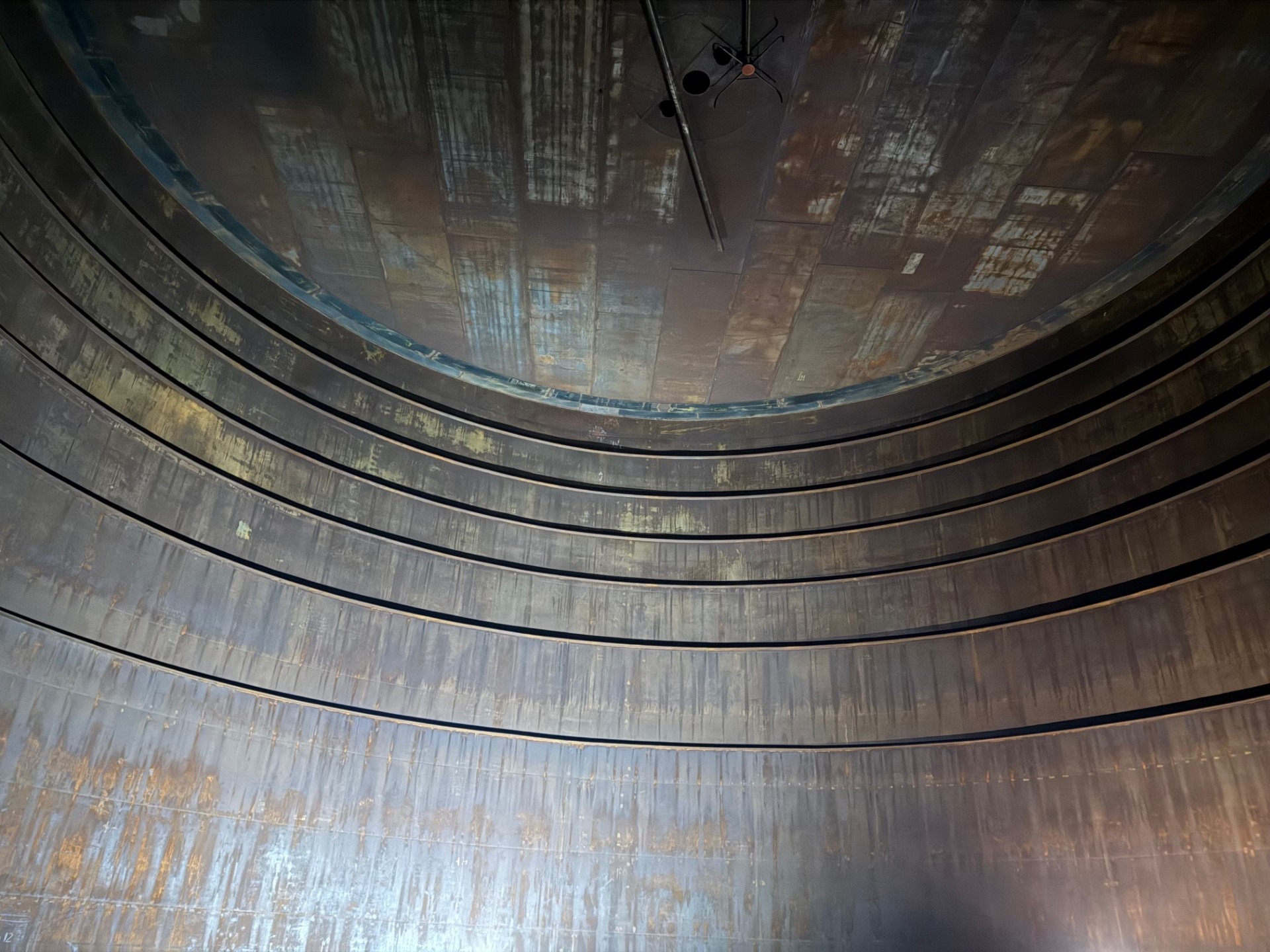
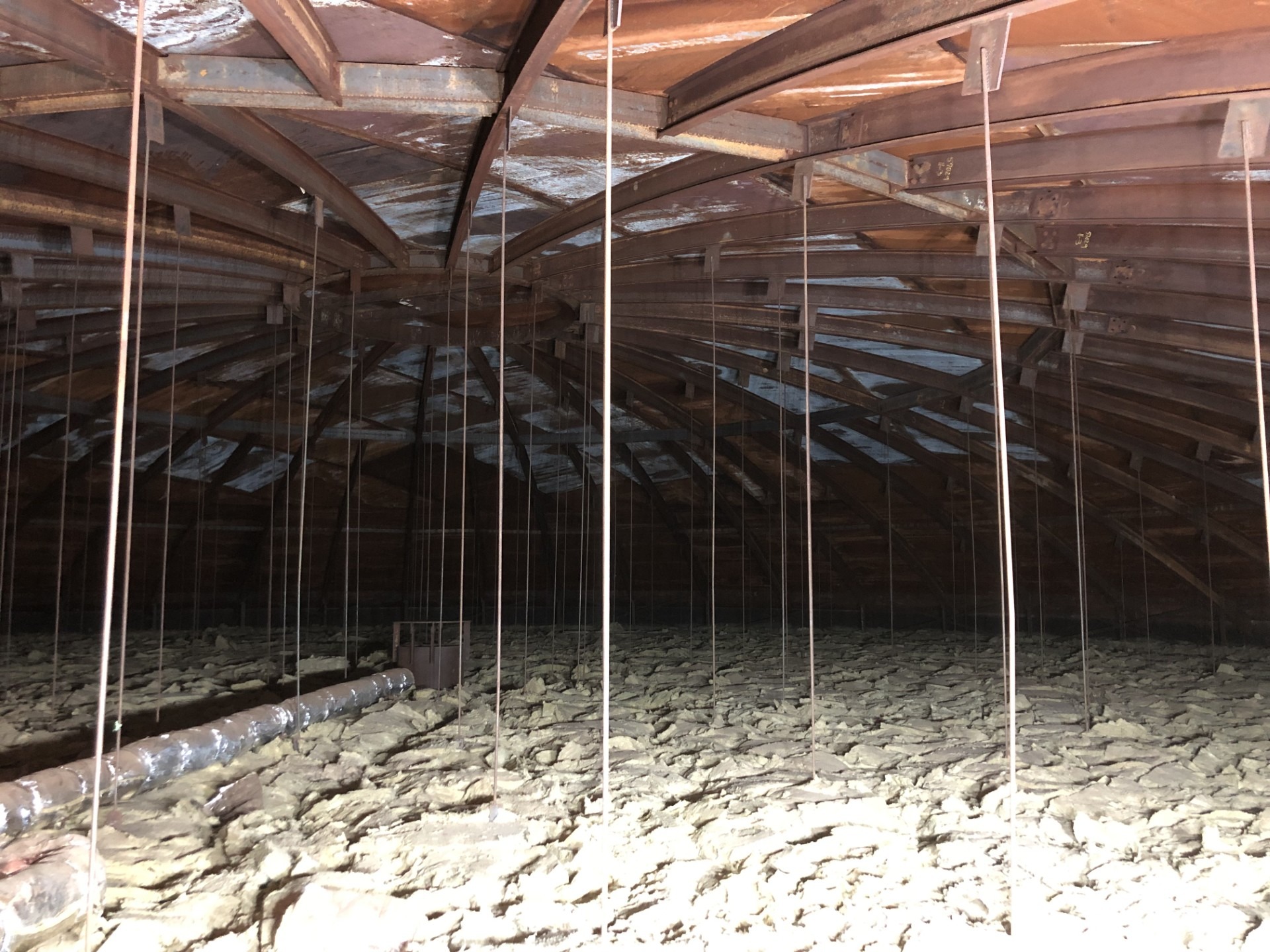
In LPG tanks, the liquid will occupy a volume determined by its height within the cylindrical section. The product in its gaseous phase (or vapor, as it is also called) will occupy the rest of the tank’s useful volume, which includes the remaining volume of the cylindrical section plus the volume available above the insulation layer located above the Deck.
Thermal and structural considerations
Note that the volumes of each of the sections mentioned above must finally be calculated at the Calibration Table Reference Temperature. For refrigerated LPG tanks, it is common to calculate calibration tables at the working temperature (e.g., -43.0 °C, in this example) or at the standard temperature of 60°F or 15°C.
In this regard, care must be taken to calculate the expansion of the walls due to the hydrostatic pressure of the liquid, considering the density of the liquid at the working temperature, not at the standard temperature. This criterion also applies to tanks containing heated products, such as Fuel Oil, Asphalt, or others.
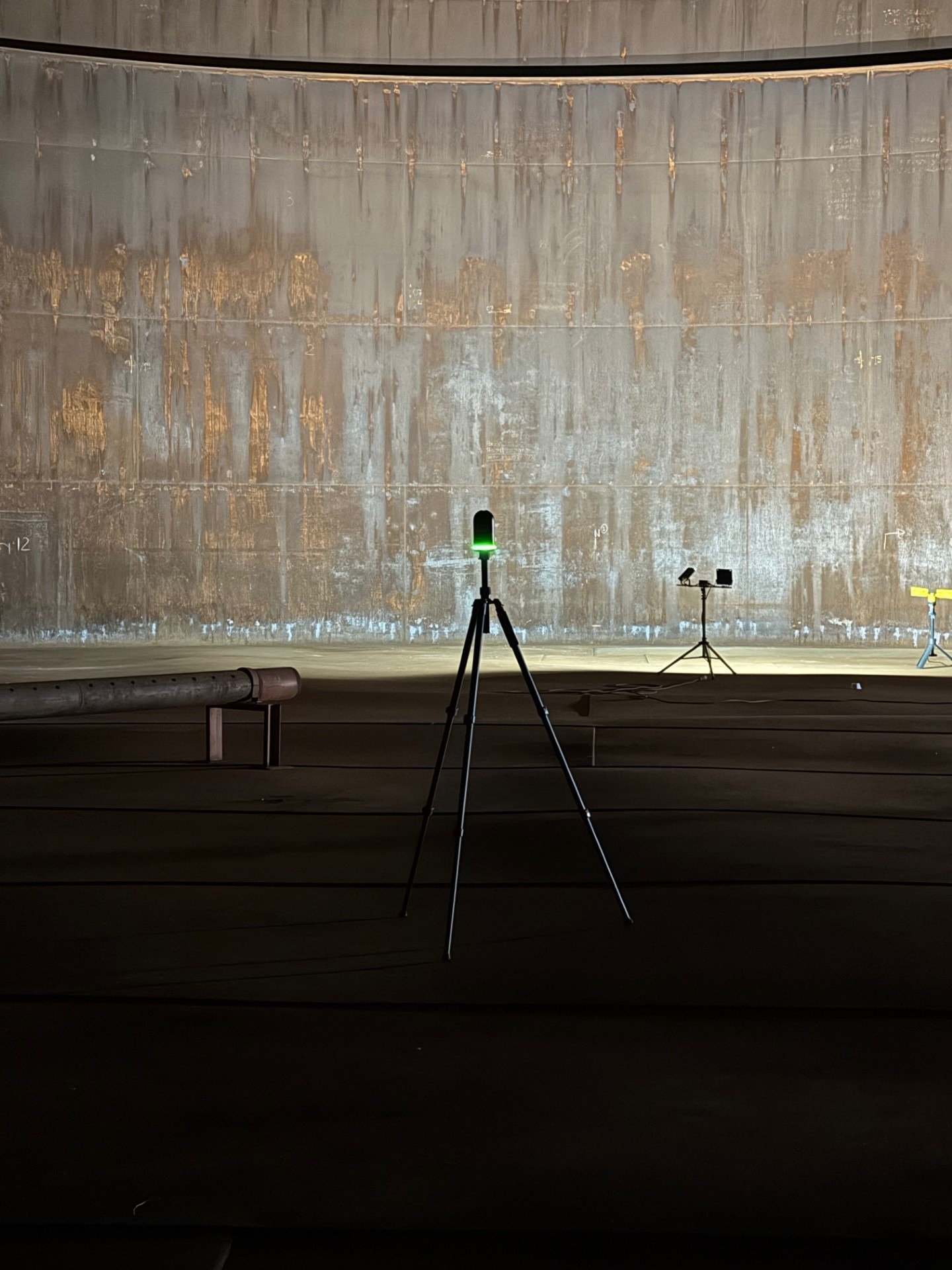
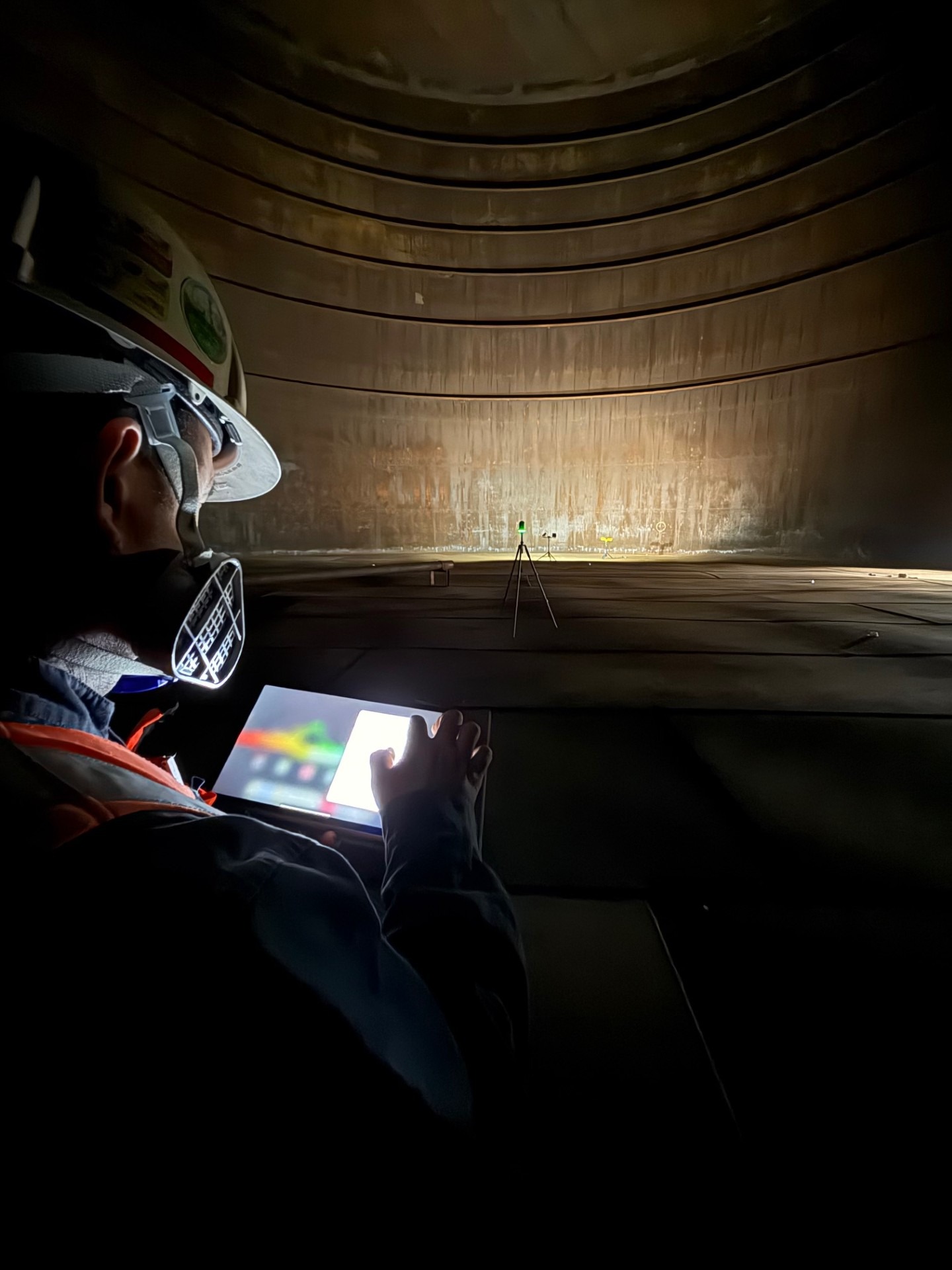
The calibration of this type of assets is not only a geometric exercise, but a process that integrates:
- Volumetric modeling
- Structural engineering
- Thermal considerations
- Metrological precision
At BZ Consulting, we approach these projects with a comprehensive technical approach, ensuring volumetric certainty in strategic installations for energy storage.
BZ Consulting — “The Value of Experience”